
How Wildfires Impact Commercial Insurance Rates in California
California’s landscape, renowned for its beauty, also harbors a persistent risk: wildfires. These natural disasters pose a significant threat to businesses, resulting in increased insurance costs. This blog examines the commercial insurance rates for California wildfires and provides strategies for businesses to mitigate their impacts.
Understanding Wildfire Risk in California
Why California Is Prone to Wildfires
California’s unique climate and topography make it particularly susceptible to wildfires. Hot, dry summers and strong winds create ideal conditions for fires to ignite and spread rapidly. The state’s vast wilderness areas and urban development encroaching on fire-prone regions exacerbate the risk. Each year, California witnesses numerous wildfires that cause extensive damage to natural landscapes and human structures.
Frequency and Severity of Wildfires
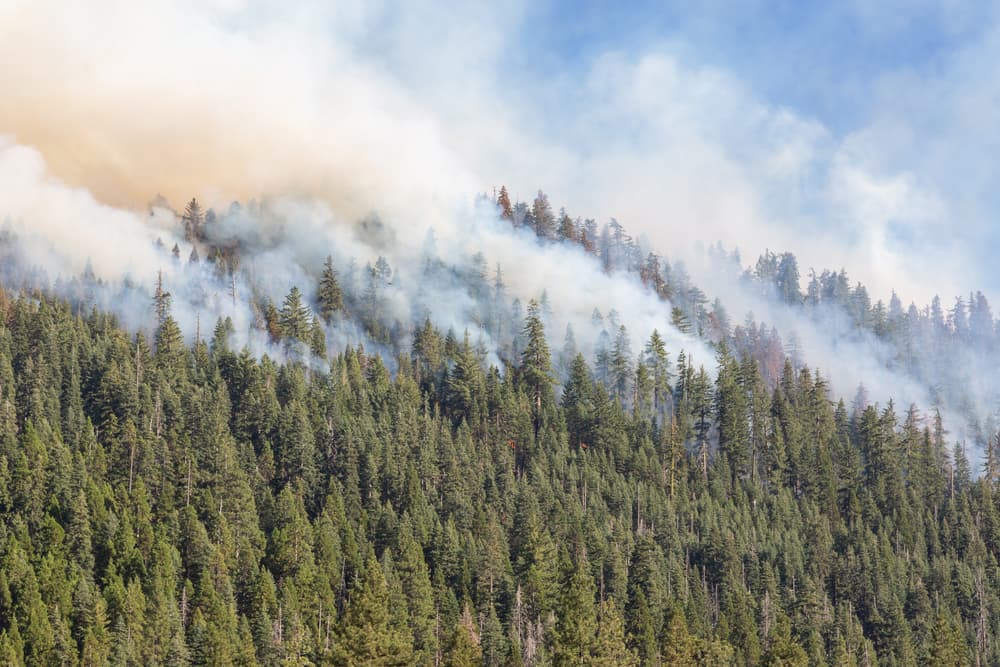
The frequency and severity of wildfires in California continue to intensify. While historic fires, such as the Camp Fire (2018) and August Complex Fire (2020), remain significant benchmarks, recent events make it clear that wildfire risk remains acute. In 2024 alone, 8,018 wildfires swept across the state, burning more than 1,049,963 acres.
Among the largest recent fires was the Park Fire, which consumed over 429,000 acres in Butte and Tehama counties. The Borel Fire in Kern County burned approximately 59,000 acres, resulting in major evacuations and a state of emergency declaration. Meanwhile, the Mountain Fire in Ventura scorched roughly 19,900 acres, and the Line Fire in the San Bernardino Mountains added tens of thousands more to the 2024 total.
These recent wildfires demonstrate that wildfire threats are not just historical; they are a current and evolving risk to California’s communities and businesses.
Impact of Wildfires on Businesses and Commercial Properties
Direct Impacts: Physical Damage and Operational Disruptions
Wildfires can have catastrophic effects on businesses and commercial properties. Direct impacts include physical damage to buildings, loss of inventory, and operational disruptions.
Indirect Impacts: Smoke Damage and Customer Loss
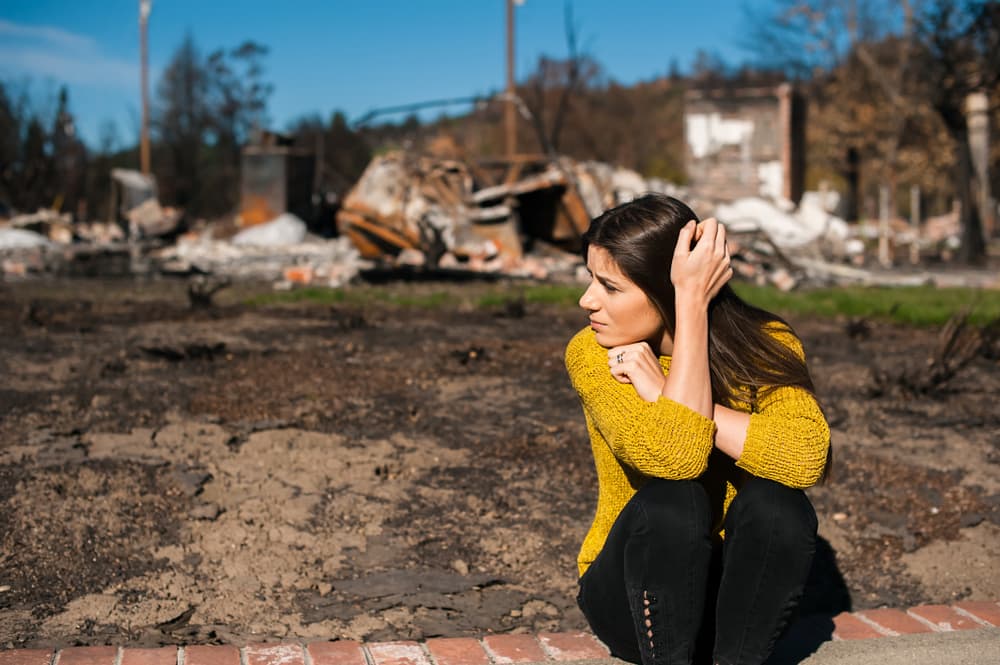
Indirect effects, such as smoke damage and the loss of customers who evacuate or relocate, compound the financial strain. For businesses without adequate insurance coverage, recovery can be slow and costly, emphasizing the importance of robust risk management strategies.
Factors Affecting Commercial Insurance Rates After Wildfires
Increased Risk Assessments by Insurers
Insurers conduct thorough risk assessments following a wildfire to understand the increased probability of future incidents. Properties located in high-risk areas, known as the Wildland-Urban Interface (WUI), are scrutinized more closely.
Factors such as proximity to fire-prone vegetation, building materials, and local fire protection services are considered, leading to a higher risk classification and premiums.
Insurance Premium Adjustments
Following significant wildfire events, insurance premiums for commercial properties tend to increase. This adjustment reflects the higher anticipated costs of future claims.
For example, after the 2018 and 2020 wildfire seasons, many businesses saw their premiums increase substantially. Insurers adjust their rates to cover the heightened risk and meet the financial demands of future claims.
Changes in Coverage Options and Deductibles
Insurance companies may adjust the coverage options and deductibles available to businesses after a wildfire. Some insurers might limit coverage for wildfire-related damages or exclude it entirely from standard policies, offering it only as an expensive add-on.
Additionally, higher deductibles may be imposed, requiring businesses to cover a larger portion of any loss before insurance coverage kicks in. These changes compel businesses to reassess their insurance needs and financial preparedness.
Strategies for Mitigating Wildfire Risks and Insurance Costs
1. The Importance of Comprehensive Coverage
Securing comprehensive insurance coverage is essential for businesses in areas prone to wildfires. This includes property insurance and business interruption insurance, which covers lost income during periods of forced closure. Ensuring that policies cover a wide range of potential damages, from fire to smoke and water, is essential for comprehensive protection.
2. Fire Mitigation Strategies for Businesses
Fire mitigation strategies can reduce the risk of damage and potentially lower insurance costs. These strategies include creating defensible space around properties by clearing flammable vegetation, using fire-resistant building materials, and installing fire suppression systems. Regular maintenance, such as cleaning gutters and ensuring proper ventilation, is critical in reducing fire risk.
3. Reviewing and Updating Your Insurance Policy Post-Wildfire
It is vital to review and update insurance policies regularly after a wildfire. Businesses should work closely with their insurance providers to ensure their coverage remains adequate and up to date.
This includes reassessing the value of property and assets, adjusting coverage limits, and exploring additional coverage options if necessary. Staying proactive about policy updates helps businesses remain resilient in the face of evolving wildfire risks.
Common Questions About Wildfire Insurance for Businesses
Do Standard Commercial Policies Cover Wildfire Damage?
Most commercial property policies in California include coverage for fire damage, including coverage for wildfires. However, some insurers may limit or exclude wildfire coverage in high-risk zones, requiring supplemental policies.
Can I Reduce Premiums with Fire Mitigation Efforts?
Many insurers offer discounts or reduced premiums for businesses that implement approved mitigation strategies such as defensible space, fire-resistant materials, and sprinkler systems.
How Are Deductibles Adjusted After Wildfire Events?
Following major wildfire seasons, insurers may increase deductibles for properties deemed high-risk. Higher deductibles shift more financial responsibility to the business, enabling insurers to manage risk exposure more effectively.
What Additional Coverage Options Should I Consider?
Depending on location and risk level, businesses may benefit from:
• Extended replacement cost coverage
• Business interruption insurance
• Equipment breakdown coverage
• Smoke damage protection
• Ordinance or law coverage for rebuilding requirements
Partnering with Pronto Insurance for Wildfire Protection
Pronto Insurance offers customized commercial policies designed for wildfire-prone regions. From property protection to business interruption coverage, our team helps businesses secure the right level of protection based on their unique risk profile.
As wildfire risks continue to evolve, expert guidance is crucial. Partner with Pronto Insurance to safeguard your commercial property, reduce financial exposure, and build long-term resilience. Contact us today to discuss coverage options tailored to your business needs.