

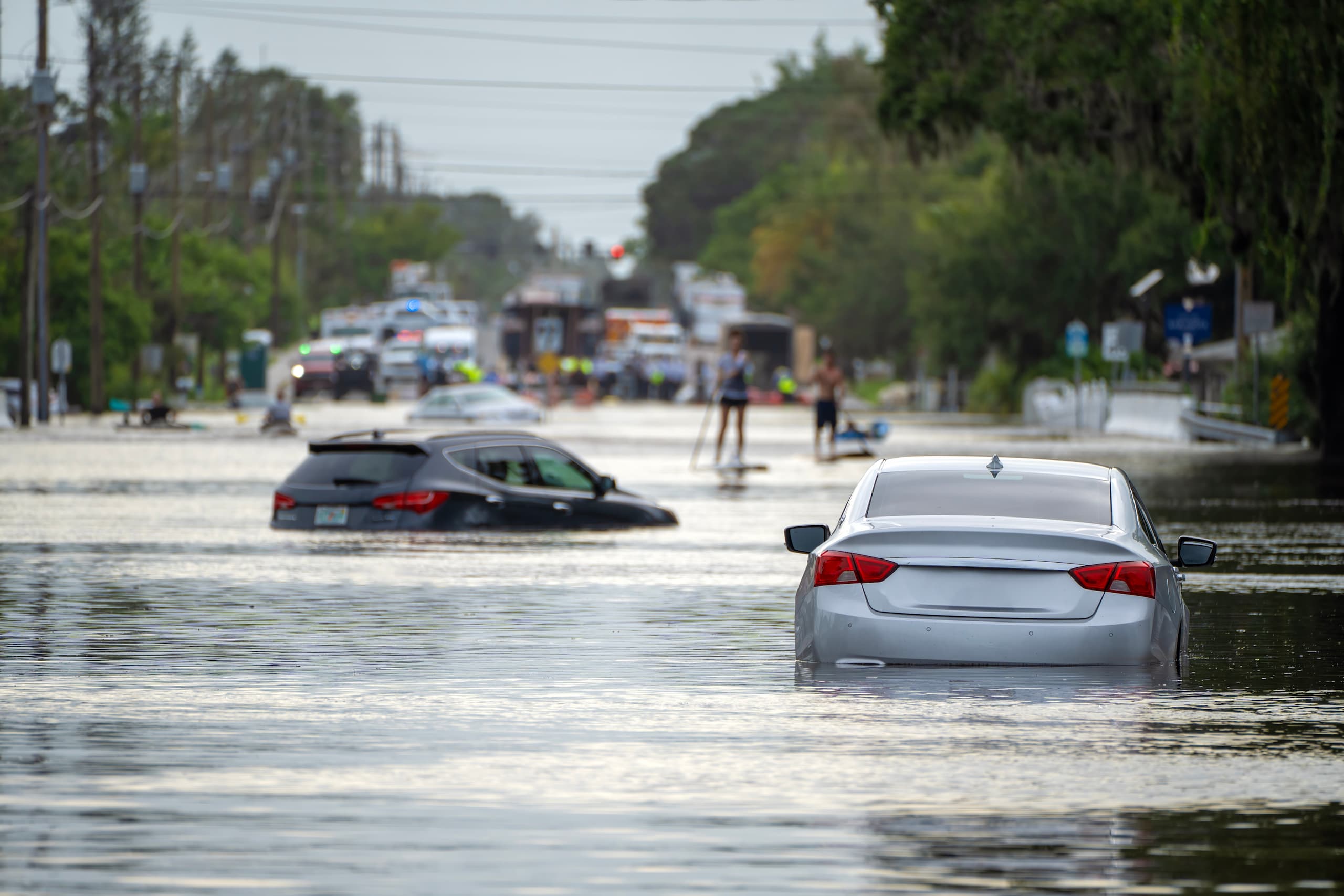
Flooding is a reality in many parts of the state, and flood damage car insurance texas questions usually come up right after a storm leaves roads covered and vehicles stranded. The key is knowing what “flood damage” really includes, which policy type applies, and what to do immediately to protect your safety, your claim, and your next steps.
What Counts as Flood Damage to a Car in Texas?
Flood damage generally means water intrusion that harms a vehicle’s systems or materials. That can include water entering the cabin and soaking carpet, seats, padding, and airbags, or reaching the engine bay and contaminating fluids. It also includes damage to sensors, wiring harnesses, control modules, infotainment components, and safety systems that may fail days or weeks after the incident.
Floodwater is often more damaging than people expect because it may carry debris, oil, sewage, and sediment. Even if the car dries out and starts, corrosion can spread through connectors and electrical components over time. For insurers, “flood damage” is typically treated as water-related physical damage—whether the car was parked, driving, or pushed by moving water.
Does Car Insurance Cover Flood Damage in Texas?
In most cases, flood losses are not paid by basic liability coverage. Liability is designed to cover injuries and property damage you cause to others, not damage to your own vehicle. Flood damage is typically handled under the portion of a policy that covers non-collision events.
If you’re trying to confirm whether flood damage is covered for your situation, look for a line item on your declarations page that references comprehensive coverage (sometimes called “other than collision”). That is usually the section that responds to flooding, storm surge, and similar weather-related losses.
What Type of Insurance Covers Flood Damage?
Comprehensive Coverage and Flood Damage
Comprehensive coverage is the most common way a personal auto policy covers flood damage. It’s intended for losses that are not caused by a crash with another vehicle—things like theft, vandalism, falling objects, fire, and weather events. Flooding generally falls into that bucket.
If you have a deductible for comprehensive, you’ll typically pay that amount before the insurer pays the remainder of the covered loss. In severe flood events, many vehicles are declared a total loss because water affects wiring and electronics in ways that are costly—or unsafe—to repair.
When Flood Damage Is Not Covered
Flood damage is often not covered in these common scenarios:
- You only carry liability coverage (no comprehensive on the vehicle).
- Comprehensive was added after the storm event began or after the loss occurred.
- The policy lapsed due to non-payment before the flood event.
- The vehicle was used in a way excluded by the policy (certain commercial uses, racing, or other excluded activities).
- The damage claimed isn’t consistent with flooding, or the insurer determines the vehicle had pre-existing water damage.
Because coverage depends on policy terms, it’s smart to confirm your exact coverage and deductibles before storm season. This is where flood damage car insurance texas planning matters most—before the forecast turns into road closures.
How to File a Flood Damage Car Insurance Claim in Texas
A smooth claim starts with documenting what happened and preventing additional damage. A strong, practical approach looks like this:
- Put safety first: If water reaches the floorboards or higher, do not start the car. Starting a flooded engine can worsen damage.
- Document the scene: Take photos and short videos showing the water level, where the vehicle was located, and visible interior or exterior impact.
- Record the timeline: Note the date/time, neighborhood, and storm details. If you have weather alerts or screenshots of road closures, save them.
- Notify your insurer promptly: Report the loss as soon as it’s safe. Provide your policy number, location, and a short description of what happened.
- Follow towing instructions: Use approved towing if your insurer requires it. Keep receipts for reasonable out-of-pocket costs.
- Avoid “cleanup” repairs first: Don’t remove carpet, dismantle panels, or authorize major work until the insurer advises you. You can reduce further harm, but major changes can complicate the inspection.
During the inspection, the adjuster may look for water lines, odor, corrosion, electrical faults, and evidence of contamination. If your vehicle is financed or leased, the lender may also be involved in total-loss paperwork.
Will a Flood Damage Claim Increase Insurance Rates in Texas?
Rate impact can vary widely by carrier and situation, and it’s not always automatic. Flooding is typically treated as a comprehensive claim (not a collision claim), and many insurers consider comprehensive losses differently from at-fault accidents. That said, premiums are influenced by multiple factors, including claim history, location risk, and overall market pricing.
If your area has repeated storm losses, insurers may adjust pricing broadly in that region over time—even for drivers who didn’t file a claim. Still, if you’re weighing whether to file, compare the estimated repair cost to your deductible and consider the risk of hidden electrical problems getting worse. For many drivers, flood damage car insurance texas decisions come down to safety and long-term reliability as much as immediate cost.
What to Do If Your Car Is Flooded During a Texas Storm
When a Texas storm floods roads quickly, the right next steps can protect your health and your claim:
- Get to safety immediately: Don’t stay in a vehicle surrounded by moving water. Flash flooding can escalate in minutes.
- Do not restart the car: If the engine ingested water, cranking it can cause serious internal damage.
- Disconnect power if safe: If you can safely access the battery without standing in water, disconnecting may reduce electrical issues.
- Have the vehicle towed: Move it to higher ground or a safe lot as directed by your insurer.
- Remove personal items: Take out valuables and important documents once it’s safe, and photograph the interior before moving items if possible.
- Watch for contamination: Floodwater may contain sewage or chemicals. Use gloves and wash hands after handling anything from the vehicle.
- Ask about a rental: If your policy includes rental reimbursement, you may be able to get temporary transportation while the claim is evaluated.
Even if the car “seems fine,” water-damaged electronics can fail later. A professional assessment is important before returning to regular driving.
How Pronto Insurance Helps After Flood Damage
When storms hit, you don’t just need coverage—you need clear guidance and quick support. Pronto Insurance helps drivers by explaining what your policy includes, confirming whether comprehensive coverage applies, and helping you understand what documentation makes a claim easier to process. If your vehicle is not drivable, Pronto can also help you navigate next steps like towing guidance, rental coverage questions, and what to expect if the vehicle is declared a total loss.
If you’re reviewing your options ahead of storm season, Pronto can help you choose coverage that fits your situation so you’re not guessing later. This is another place where flood damage car insurance texas planning pays off: getting the right protection in place before the next major weather event.
Frequently Asked Questions
Is flood damage covered by car insurance in Texas?
Flood damage is typically covered only when your policy includes comprehensive (other-than-collision) coverage. Liability coverage alone usually won’t pay for damage to your own car caused by flooding. Your deductible and policy terms will still apply.
Do I need comprehensive insurance for flood damage?
In most standard auto policies, comprehensive is the coverage that responds to flooding, storm surge, and similar weather-related losses. If you want protection for your vehicle from water damage, comprehensive is usually the key coverage to add.
Is flood damage considered an at-fault claim?
Flood damage is generally treated as a comprehensive claim rather than an at-fault accident claim. Even so, insurers consider many factors when pricing policies, including overall claim history and regional storm risk.
How long does a flood damage claim take?
Timing depends on vehicle inspection scheduling, severity of damage, and how quickly documents are provided. Some claims move in days, while others take longer if the car requires detailed evaluation, repair estimates, or total-loss processing.
Be Ready Before the Next Texas Storm
Flooding can happen fast, but insurance outcomes are usually decided by what coverage you had in place before the storm. Review your policy, confirm whether comprehensive is active, and keep your deductible in mind. If you want help understanding your options and preparing for severe weather, Pronto Insurance can guide you through coverage choices and what to expect if flooding impacts your vehicle.