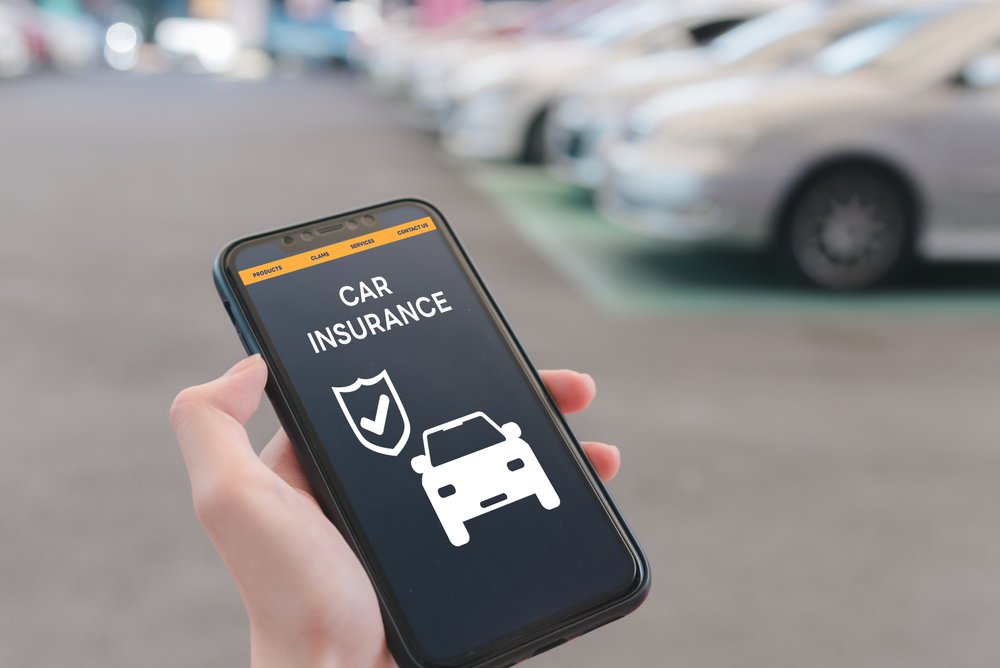


As driving habits change across the state, many California drivers are questioning whether traditional auto insurance still makes sense for their lifestyle. With remote work, rising fuel costs, and more people driving less overall, usage-based options like pay-per-mile coverage are gaining attention. Understanding how this model works—and whether it fits your needs—can help you make a smarter insurance decision.
What Is Pay-Per-Mile Insurance?
Pay-per-mile auto insurance is a usage-based policy designed around how much you actually drive. Instead of paying one flat premium regardless of mileage, drivers are charged based on two main components: a base rate and a per-mile rate.
The base rate covers the fixed risks of owning a vehicle, such as theft, weather damage, and liability exposure when the car is parked. The per-mile rate reflects how often you’re on the road, which directly affects accident risk. The fewer miles you drive, the lower your total premium may be.
Mileage is typically tracked through a small device, mobile app, or periodic odometer reporting. Insurers use this data to calculate monthly bills, making this model more flexible than traditional policies for certain drivers.
How Pay-Per-Mile Insurance Works in California
California allows usage-based insurance programs, but they must comply with strict state regulations. Insurers offering these policies must receive approval from the California Department of Insurance, ensuring pricing is fair, transparent, and non-discriminatory.
Mileage calculations in California are generally straightforward. Drivers pay a daily or monthly base fee, plus a few cents for every mile driven. Rates vary depending on factors like driving history, vehicle type, location, and coverage selections.
Because California has strong consumer privacy laws, insurers must disclose how driving data is collected, stored, and used. Most programs limit data collection to mileage only, though drivers should always review privacy policies before enrolling.
Who Benefits Most From Pay-Per-Mile Insurance in California?
This insurance model is not designed for everyone, but certain drivers often benefit more than others.
Low-mileage drivers tend to see the most savings. If you drive only a few thousand miles per year, paying per mile can be more cost-effective than a flat-rate policy. Remote workers and retirees also benefit, since commuting is minimal or nonexistent.
Urban drivers may see mixed results. While city residents often drive less, higher traffic density can increase risk factors that affect rates. Suburban drivers who work from home or use their car occasionally may find a better balance between low mileage and manageable risk.
How Much Can You Save With Pay-Per-Mile Insurance?
Savings depend heavily on how often you drive. Compared to traditional policies, pay-per-mile insurance can reduce premiums for drivers who log under 7,000–8,000 miles annually. In these cases, monthly costs may drop noticeably.
However, savings are minimal—or nonexistent—for frequent drivers. Long commutes, road trips, or lifestyle changes that increase mileage can quickly eliminate any cost advantage. California drivers should also factor in higher base rates that may offset mileage savings.
Realistic expectations are important. Pay-per-mile insurance in California works best as a lifestyle-based choice, not a guaranteed discount for every driver.
Pros and Cons of Pay-Per-Mile Insurance
One major advantage is flexibility. Drivers gain more control over costs and can align premiums with actual usage. Transparency is another benefit, since monthly bills clearly show how mileage affects pricing.
On the downside, mileage monitoring can feel intrusive to some drivers, even when location data is not tracked. Rate variability is another concern, as monthly costs can fluctuate if driving habits change unexpectedly.
This option may not be a good fit for drivers with unpredictable schedules, long commutes, or frequent travel, since costs can quickly approach or exceed traditional premiums.
Coverage Options With Pay-Per-Mile Policies
Coverage under pay-per-mile policies is similar to standard auto insurance. California requires minimum liability coverage for bodily injury and property damage, which these policies must meet.
Drivers can usually add optional coverages such as collision, comprehensive, uninsured motorist protection, medical payments, and roadside assistance. These add-ons increase the base rate but provide broader protection.
If your vehicle is financed or leased, lenders typically require collision and comprehensive coverage. Pay-per-mile policies can meet these requirements, but drivers should confirm terms before switching.
How Mileage Is Tracked (and What Drivers Should Know)
Mileage tracking methods vary by insurer. Some use plug-in devices connected to the vehicle, while others rely on smartphone apps or periodic odometer photo submissions. Each method has its own advantages in terms of convenience and accuracy.
Most systems are reliable, but drivers can dispute mileage if they believe it’s inaccurate. Insurers generally offer a review process to correct errors. If your mileage increases significantly, your monthly costs will rise accordingly, making it important to reassess whether the policy still makes sense.
Pay-Per-Mile Insurance vs. Traditional Auto Insurance
Traditional auto insurance offers predictable monthly payments, which some drivers prefer for budgeting. Pay-per-mile policies trade predictability for flexibility, adjusting costs based on usage.
For drivers with stable, low-mileage routines, pay-per-mile insurance can adapt well to lifestyle changes. Over the long term, however, increasing mileage may lead to higher cumulative premiums than expected, reducing its financial appeal.
Evaluating both options annually can help ensure your policy still matches your driving habits.
Common Misconceptions About Pay-Per-Mile Insurance
Many drivers believe this coverage is only for new or inexperienced drivers, but that’s not true. It’s primarily designed for low-mileage drivers, regardless of age or experience.
Another misconception is that coverage is inferior. In reality, protection levels are comparable to traditional policies, as long as required and optional coverages are selected appropriately.
Some assume rates automatically increase over time. In most cases, rates change mainly due to mileage, driving record updates, or statewide insurance adjustments.
Frequently Asked Questions About Pay-Per-Mile Insurance in California
Is pay-per-mile insurance legal in California?
Yes, pay-per-mile insurance is legal in California as long as the program is approved by the California Department of Insurance and complies with state pricing, disclosure, and consumer protection regulations.
Does pay-per-mile insurance track my location?
Most programs track mileage only, not location. Insurers must disclose data practices clearly, and California privacy laws limit how personal driving data can be collected, stored, and shared.
Can I switch back to a traditional policy later?
Yes, drivers can usually switch back to a traditional auto insurance policy at renewal or sooner, depending on the insurer’s terms, without penalties beyond standard policy cancellation rules.
Is Pay-Per-Mile Insurance Right for You?
Choosing the right auto insurance depends on how you drive, not just how much you pay. Pay-per-mile insurance in California can be a smart option for low-mileage drivers who want flexibility and cost control. For frequent drivers, traditional coverage may still offer better value. Reviewing your annual mileage and lifestyle changes can help you decide which option fits best.
At Pronto Insurance, we help California drivers find coverage that fits their lifestyle. Contact us today to compare pay-per-mile and traditional auto insurance options and get personalized guidance from our licensed agents.