

Being involved in a car accident is stressful, but the situation becomes even more complicated when you are determined to be at fault. In a texas at fault car accident, understanding your legal duties, insurance obligations, and next steps can make a major difference in protecting your finances and driving record. This guide breaks down everything Texas drivers need to know so you can respond confidently and responsibly.
Understanding At-Fault Accidents in Texas
An at-fault accident occurs when a driver’s actions are determined to be the primary cause of a collision. This can include speeding, distracted driving, running a red light, or failing to yield the right of way. In Texas, fault is not automatic and must be evaluated based on evidence.
Fault is determined using police reports, traffic laws, witness statements, photos, and insurance investigations. Insurance adjusters review these details to assign responsibility for damages and injuries.
Texas follows a modified comparative fault rule, meaning you can recover damages only if you are less than 51% responsible for the accident. If you share fault, your compensation is reduced by your percentage of responsibility.
Legal Responsibilities After an At-Fault Accident
Texas law requires drivers involved in an accident to stop and take specific actions, regardless of who caused the collision. You must exchange basic information, including your name, contact details, driver’s license number, and insurance information with the other parties involved.
You are required to notify law enforcement if the accident results in injury, death, or significant property damage. In many cases, calling the police helps ensure an official report is created, which can be critical for insurance claims.
Failing to report an accident or leaving the scene can lead to serious penalties, including fines, license suspension, or criminal charges, especially if injuries are involved.
Insurance Implications of Being At-Fault
In a texas at fault car accident, liability insurance plays a central role. Texas drivers are required to carry minimum liability coverage, which pays for injuries and property damage you cause to others.
Bodily injury liability covers medical expenses, lost wages, and related costs for the other party. Property damage liability pays for repairs or replacement of the other driver’s vehicle or damaged property.
Being found at fault often results in higher insurance premiums at renewal. The severity of the accident, prior driving history, and claim costs all influence how much rates may increase.
Steps to Take Immediately After an At-Fault Accident
Your first priority after an accident is safety. Move vehicles out of traffic if possible, check for injuries, and call 911 if anyone is hurt or if the scene is unsafe.
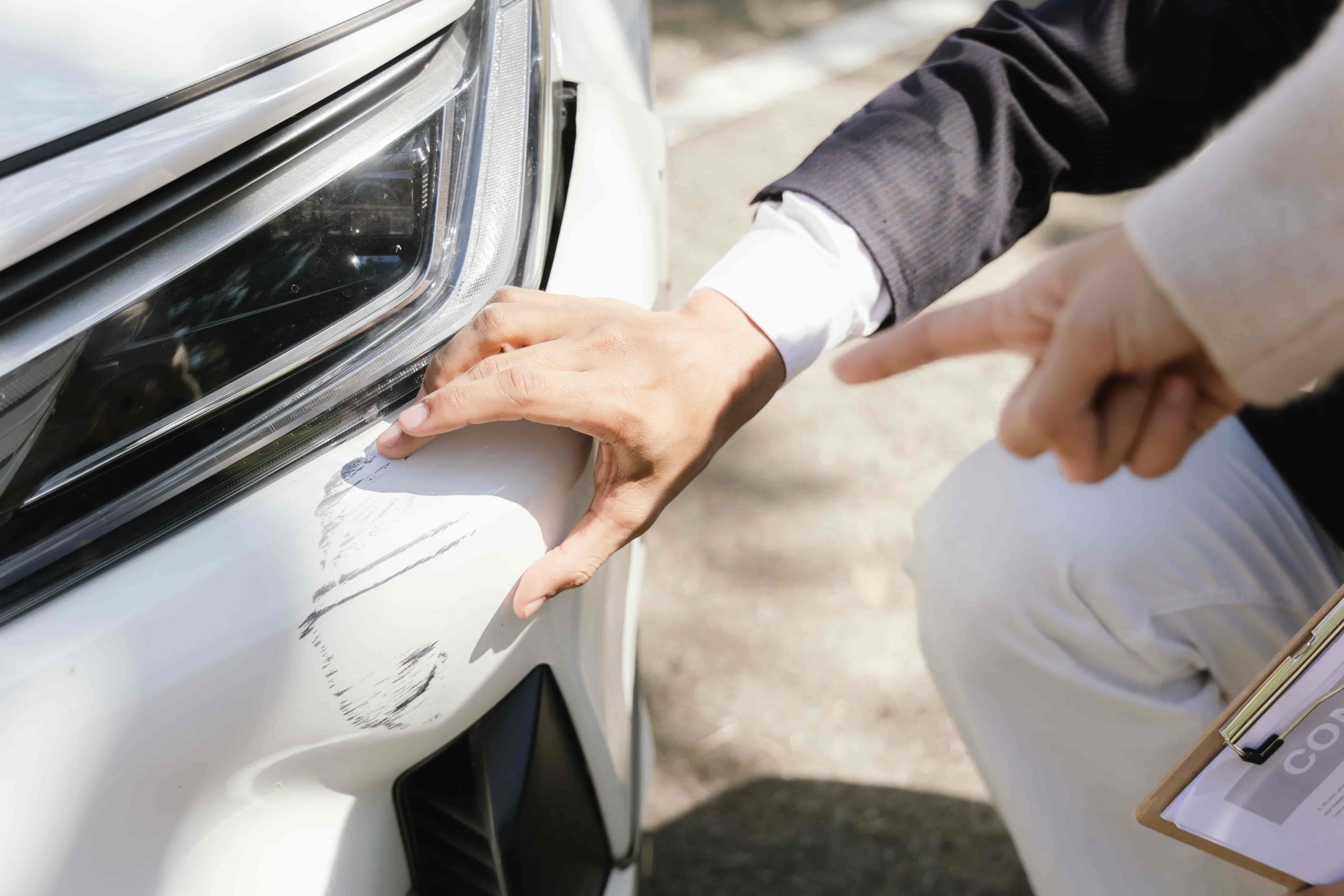
Gather as much information as you can. Take photos of vehicle damage, the accident scene, road conditions, and any visible injuries. Collect contact details from witnesses and request a copy of the police report when available.
Avoid admitting fault at the scene or making statements that could be misinterpreted. Even saying “I’m sorry” can be used against you later. Stick to factual information when speaking with police and insurance representatives.
Filing a Claim After an At-Fault Accident
After a texas at fault car accident, you should notify your insurance company as soon as possible. Prompt reporting helps prevent claim delays and ensures you meet policy requirements.
Your insurer will guide you through the claims process, which includes reviewing accident details, assessing damages, and determining coverage. An adjuster may contact you for additional information or documentation.
Insurance companies determine payouts based on policy limits, fault percentages, and verified damages. If coverage limits are exceeded, you may be personally responsible for remaining costs, which is why adequate coverage is essential.
Common Mistakes to Avoid After an At-Fault Accident
One of the most common mistakes drivers make is delaying communication with their insurer. Waiting too long can complicate your claim or even result in denial under certain policies.
Accepting a settlement without fully understanding your coverage is another costly error. Once a settlement is finalized, you may lose the ability to seek additional compensation if expenses increase.
Failing to document the accident thoroughly can weaken your claim. Photos, witness statements, and official reports provide crucial support during fault determinations and claim negotiations.
How to Protect Yourself Financially After Being At-Fault
Understanding your liability limits is key to financial protection. Minimum coverage may not be enough in serious accidents, especially when multiple vehicles or injuries are involved.
Collision coverage can help pay for repairs to your own vehicle, regardless of fault, reducing out-of-pocket expenses after an accident.
In complex cases involving disputes, injuries, or uninsured drivers, legal representation may be necessary. An attorney can help protect your rights and ensure fair treatment throughout the claims process.
Preventing Future At-Fault Accidents
Defensive driving is one of the most effective ways to avoid accidents. Staying alert, maintaining safe following distances, and anticipating other drivers’ actions can significantly reduce risk.
Regular vehicle maintenance also plays a role in accident prevention. Properly functioning brakes, tires, lights, and steering systems help ensure you can respond safely in unexpected situations.
Maintaining proper insurance coverage provides peace of mind. Adequate limits and optional coverages help protect you financially if an accident does occur.
Frequently Asked Questions About At-Fault Accidents in Texas
What happens if I’m at fault in a Texas car accident?
If you’re at fault, your liability insurance typically covers damages to others. You may face higher premiums, possible out-of-pocket costs, and responsibility for damages exceeding your coverage limits.
Can my insurance rates increase after an at-fault accident?
Yes, insurance rates often increase after an at-fault accident. The amount depends on claim severity, your driving history, and insurer guidelines, but surcharges may apply at renewal.
What if the other driver is uninsured?
If the other driver is uninsured, your uninsured motorist coverage may help cover damages. Without it, recovering costs can be difficult and may require legal action.
Get the Right Texas Auto Insurance Coverage
Protect yourself before an accident happens. Pronto Insurance offers flexible Texas auto insurance options designed to fit your needs and budget. Contact us today to get coverage that helps you drive with confidence and financial protection.