

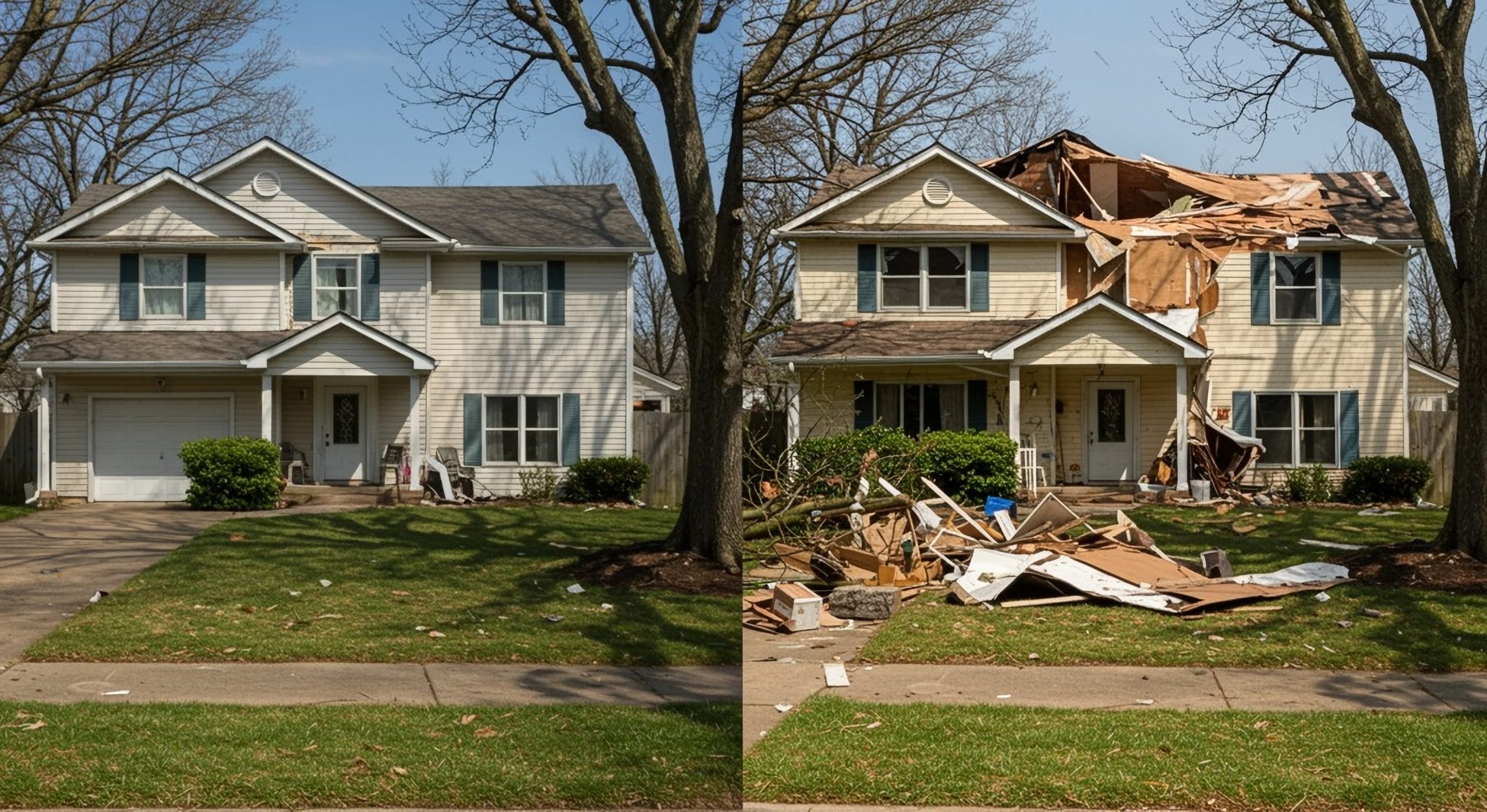
Living in Chicago means experiencing powerful seasonal storms, strong winds, and sudden weather shifts, sometimes including tornadoes. While tornadoes are more common further south and west in the Midwest, Chicago renters are not immune to destructive windstorms that can damage property, flood apartments, and displace tenants overnight.
Many renters assume their landlord’s insurance covers everything after a storm — but that’s not how insurance works. Renters insurance is specifically designed to protect your personal belongings and living expenses when disasters strike. Understanding how renters insurance applies to tornado damage can make a major financial difference when severe weather hits.
Does Renters Insurance Cover Tornado Damage in Chicago?
In most cases, renters insurance does cover tornado-related damage in Chicago because tornadoes are generally classified as windstorm events. Standard renters policies usually include wind damage among their covered perils, meaning your personal belongings are protected if they are damaged or destroyed by tornado winds or debris.
However, coverage depends on your specific policy limits, deductible, and exclusions. While the storm itself is covered, certain types of related damage — such as flooding — may require separate coverage.
What renters insurance typically covers includes:
- Personal property such as furniture, clothing, electronics, and appliances you own
- Temporary living expenses if your apartment becomes uninhabitable
- Liability protection in case someone is injured in your rental unit
How tornadoes fit into standard coverage:
- Tornadoes fall under windstorm damage in most policies
- Wind-driven debris damage is usually covered
- Rain damage that enters through storm-created openings is commonly covered
Named perils commonly included in renters insurance:
- Windstorms and tornadoes
- Fire and smoke damage
- Hail and lightning
- Theft and vandalism
- Explosions and certain water damage events
As long as windstorms appear on your covered perils list, tornado-related losses are generally eligible for claims.
What Types of Tornado Damage Are Covered?
Renters insurance focuses on protecting what you personally own and helping you recover financially if you’re forced out of your apartment temporarily.
Common covered tornado-related losses include:
- Damaged or destroyed furniture, mattresses, and household goods
- Ruined electronics such as TVs, laptops, and gaming systems
- Clothing, shoes, and personal items soaked or crushed by debris
- Kitchen appliances that belong to you rather than the landlord
Wind and rain-related interior damage often covered:
- Broken windows caused by high winds or flying debris
- Rainwater entering through storm-damaged walls or roofs
- Interior water damage directly tied to windstorm openings
Additional living expenses may cover:
- Hotel or temporary rental costs
- Extra food expenses beyond normal grocery spending
- Transportation costs related to displacement
Theft following storm damage may include:
- Stolen belongings from damaged or unsecured apartments
- Break-ins during evacuation periods
This is why having renters insurance tornado damage Chicago coverage properly structured is so important — it protects both your property and your financial stability.
What Is Not Covered by Renters Insurance?
While renters insurance provides strong storm protection, there are important limitations every tenant should understand.
Common exclusions include:
- Flooding caused by rising water, heavy rain accumulation, or overflowing drains
- Structural damage to the building itself, including walls, roofs, and foundations
- Expensive valuables that exceed policy sub-limits
Flood damage specifically excludes:
- Water rising from ground level into the apartment
- Storm surge or overwhelmed drainage systems
- Standing water caused by heavy rainfall
Building repairs remain the landlord’s responsibility:
- Roof replacements
- Electrical system repairs
- Wall reconstruction and plumbing fixes
High-value items often require additional coverage for:
- Jewelry and watches
- Collectibles and artwork
- High-end electronics
- Designer clothing
Without added endorsements, these items may only be covered up to limited dollar amounts.
Is Flood Damage from a Tornado Covered in Chicago?
Flood damage is one of the most misunderstood aspects of storm insurance.
Key differences between wind and flood damage:
- Wind damage includes destruction caused directly by tornado winds or debris
- Flood damage involves water rising from outside sources into your apartment
Even if a tornado causes both types of damage in the same storm, renters insurance usually only covers the wind-related portion.
Flood insurance may be needed when:
- Your apartment is located in low-lying areas
- Heavy rain pooling is common during storms
- Nearby rivers or drainage systems overflow
Optional sewer backup coverage can help with:
- Water backing up through drains and toilets
- Overflow from overwhelmed sewer systems
- Storm-related plumbing backups
Adding these protections can significantly reduce out-of-pocket losses after severe storms.
How Much Renters Insurance Do Chicago Tenants Need?
The right coverage amount depends on the value of everything you own and your financial comfort level.
Steps to estimate proper coverage include:
- Listing all major belongings room by room
- Estimating replacement cost for furniture and electronics
- Factoring in clothing, appliances, and personal items
- Adding extra protection for valuables
Many renters are surprised to learn their belongings total $25,000 or more once everything is added up.
Replacement cost vs. actual cash value matters because:
- Replacement cost pays for brand-new items
- Actual cash value subtracts depreciation
- Replacement coverage provides far better protection after major storms
Choosing the right deductible involves:
- Lower deductibles mean higher monthly premiums
- Higher deductibles reduce premiums but increase claim costs
- Balancing affordability with financial comfort
Proper planning ensures renters insurance tornado damage Chicago protection truly works when disaster strikes.
How to File a Tornado Damage Claim in Chicago
After a storm, quick action helps ensure a smoother claims process.
Immediate steps after the storm include:
- Ensuring safety first before entering damaged areas
- Preventing further damage when possible, such as covering broken windows
- Saving damaged items until inspected
Documenting damage effectively involves:
- Taking photos and videos of all damaged belongings
- Listing items with estimated values and purchase dates
- Keeping receipts when possible
Working with insurance adjusters typically includes:
- Scheduling inspections of damaged property
- Reviewing settlement offers carefully
- Asking questions about coverage limits and exclusions
Claim timelines in Illinois generally depend on:
- Severity of storm damage across the region
- Complexity of losses
- Speed of documentation submission
Prompt reporting usually leads to faster claim resolution.
Why Tornado Coverage Matters in Chicago
While Chicago may not see tornadoes as frequently as other Midwest areas, the risk is real — and increasing storm intensity makes preparation essential.
Midwest weather risks include:
- Strong spring and summer thunderstorms
- High winds capable of structural damage
- Heavy rainfall following severe storms
Seasonal storm patterns often bring:
- Sudden weather shifts
- Tornado warnings and wind advisories
- Flash flooding in urban areas
Protecting yourself as a renter means:
- Carrying adequate renters insurance limits
- Understanding exclusions and endorsements
- Preparing emergency plans for severe weather
Having renters insurance tornado damage Chicago protection in place offers peace of mind when storms threaten.
Get Proper Coverage Before the Next Storm Hits
Tornadoes and severe storms can disrupt life in minutes — but the right insurance coverage can make recovery far easier. From protecting your belongings to covering temporary housing costs, renters insurance is a critical safeguard for Chicago tenants.
Working with an experienced local agency like Active Insurance helps ensure your policy is customized for Midwest weather risks, proper coverage limits, and affordable protection. Contact Is Now!