

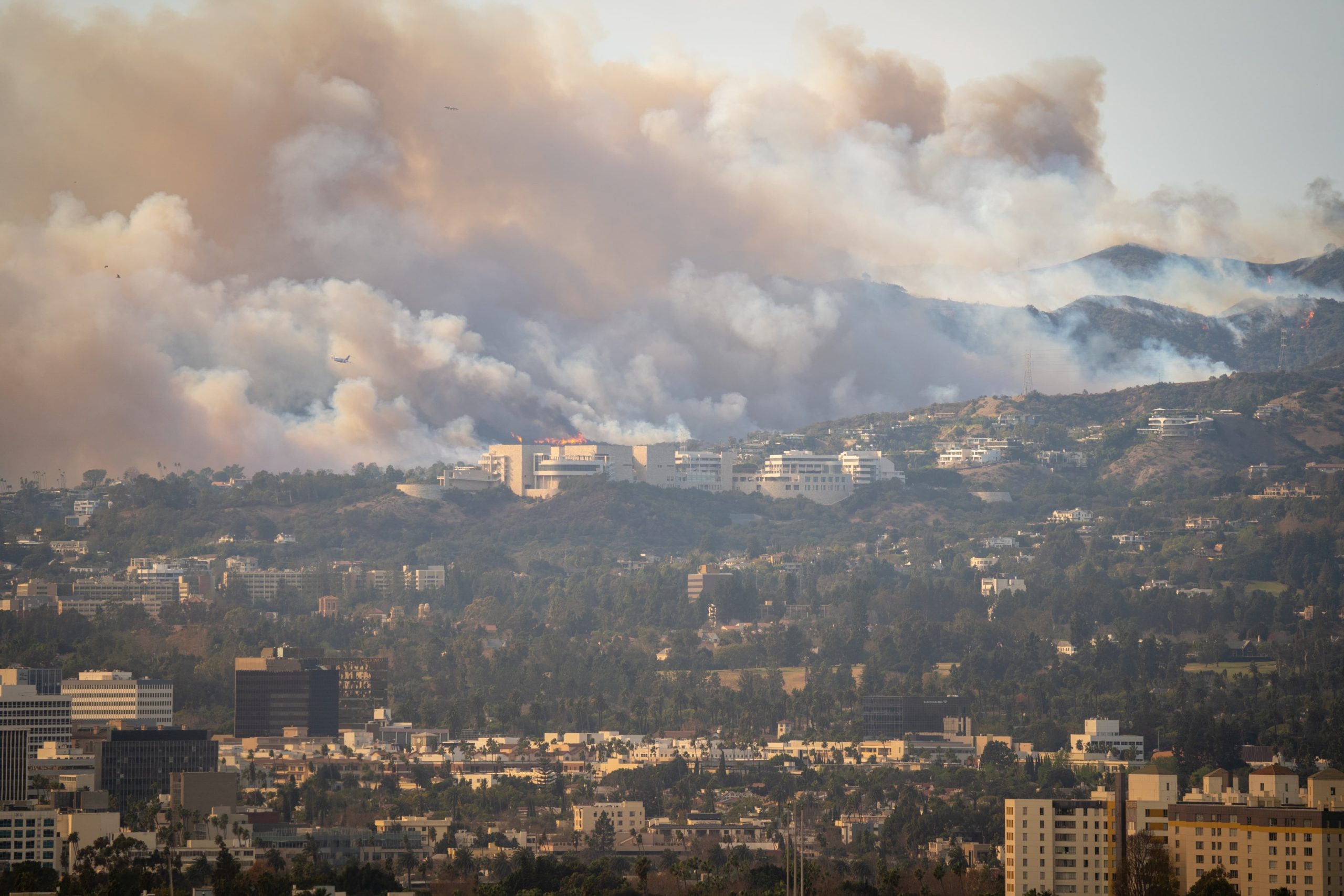
Living in California means enjoying great weather and landscapes, but it also means dealing with real wildfire threats. If you own a home in a fire-prone region, understanding high-risk wildfire insurance coverage in California is key to protecting your property and financial stability when conditions turn extreme.
What Is Wildfire Insurance in High-Risk Areas of California?
Wildfire insurance is home protection that covers damage from fires, smoke, and heat-related destruction. In California, this coverage is usually part of a homeowners policy, though in higher-risk zones it may be limited or require supplemental plans.
For many California homeowners, especially those in exposed regions, standard insurance policies may not fully account for wildfire risk. That’s why understanding your coverage options matters more now than ever.
Why Wildfire Insurance Is Critical in High-Risk California Areas
Wildfires in California can escalate quickly, leaving limited time to respond or protect property. Homes in exposed areas face higher chances of structural damage and evacuation disruption.
- Homes in fire zones can be damaged or destroyed rapidly.
- Smoke can impact interiors even without direct flames.
- Temporary relocation can create unexpected living expenses.
- Rebuilding costs continue to rise across California.
Because of these realities, having reliable protection ensures that homeowners are not left covering major losses on their own after a fire.
Who Needs Wildfire Insurance in California?
Many homeowners underestimate their wildfire exposure. Risk areas are not limited to remote forests; suburban and hillside communities are also affected.
You may need coverage if you:
- Live near brush, hills, or dry vegetation.
- Own property in mapped wildfire zones.
- Have experienced insurance non-renewals.
- Are located in expanding urban-wildland areas.
- Want protection against increasing fire-related losses.
Even if your area has not experienced a recent fire, conditions can change quickly in California.
What Does Wildfire Insurance Typically Cover?
Wildfire coverage is designed to protect your home, belongings, and your ability to recover financially after a wildfire. It can include:
- Dwelling Coverage (Structure Protection): This helps repair or rebuild your home if it is damaged or destroyed by fire, smoke, or extreme heat exposure.
- Personal Property Coverage: Covers personal belongings inside your home, including furniture, electronics, and everyday essentials.
- Additional Living Expenses (ALE): Pays for temporary housing, meals, and related costs if your home becomes uninhabitable after a wildfire.
- Liability Protection: Provides coverage if someone is injured on your property or if fire spreads to neighboring homes
What’s NOT Covered by Wildfire Insurance?
While wildfire coverage is broad, it does not include every situation. Homeowners should understand exclusions to avoid surprises.
- Routine wear and tear or maintenance issues
- Flooding or storm-related water damage
- Damage from neglect or lack of upkeep
- Landscaping or outdoor feature losses in some cases
- Claims exceeding policy limits
- Certain secondary disaster events without add-ons
Options for Wildfire Insurance in High-Risk Areas in California
Homeowners in wildfire-prone regions often need to explore multiple coverage options based on their eligibility and location.
Standard Homeowners Insurance (If Eligible)
Some homeowners still qualify for traditional policies, but availability is reducing in high-risk zones.
California FAIR Plan (Last-Resort Coverage)
The California FAIR Plan provides basic fire protection for homeowners who cannot secure private insurance. However, it is limited and often requires additional policies to complete coverage.
Difference in Conditions (DIC) Policies
DIC policies fill gaps left by the FAIR Plan, offering broader protection and higher coverage limits.
Private High-Risk Insurance Carriers
Specialized insurers provide tailored coverage for wildfire-prone areas, often with stricter underwriting requirements.
How Much Does Wildfire Insurance Cost For High-Risk Areas in California?
Insurance costs in wildfire-prone areas vary significantly depending on home location and risk exposure.
Key pricing factors include:
- ZIP code wildfire classification.
- Distance to fire response services.
- Home construction materials and roof type.
- Local wildfire history and exposure.
- Coverage limits and deductible levels.
Homes in higher-risk zones generally see higher premiums due to increased exposure and claims frequency.
How to Qualify for Wildfire Insurance in High-Risk Areas
Insurers often evaluate how well a property is prepared to reduce fire damage risk.
Common requirements include:
- Fire-resistant roofing and building materials.
- Maintaining defensible space around the property.
- Clearing vegetation and debris regularly.
- Completing home inspections when required.
- Working with licensed insurance brokers for options.
Taking preventive steps can improve eligibility and sometimes help reduce premium costs.
Common Challenges Getting Wildfire Insurance in California
- Policy Non-Renewals: Some insurers are reducing exposure in wildfire zones, leading to non-renewals for homeowners.
- Limited Carrier Availability: Fewer private insurers are writing policies in high-risk regions.
- Rising Premium Costs: Increased wildfire activity has led to higher pricing across many areas.
- Coverage Restrictions: Some policies now include higher deductibles or reduced wildfire protection limits.
How to Lower Your Wildfire Insurance Risk (and Premiums)
Homeowners can take proactive steps that improve both safety and insurance eligibility:
- Maintain defensible space around the home
- Install fire-resistant roofing and vents
- Keep gutters and roofs clear of debris
- Use ember-resistant construction materials
- Improve access for emergency response
These actions help reduce fire exposure and may improve your insurance options over time.
How Pronto Insurance Helps in High-Risk California Areas
Navigating insurance in wildfire-prone areas can be challenging, especially when options are limited. We help homeowners explore available coverage paths based on their situation.
- Access to multiple carriers, including high-risk options
- Guidance on the California FAIR Plan and supplemental coverage
- Fast quotes and easy policy comparisons
- Personalized risk evaluation based on your property
Get a Wildfire Insurance Quote for High-Risk California Today
Finding coverage in wildfire-prone areas can feel overwhelming, especially when options are limited and requirements vary by location. Exploring your insurance choices early helps you compare policies, understand protection levels, and secure coverage that matches your home’s risk profile before wildfire season intensifies.
Securing Coverage in California’s High-Risk Fire Zones
Protecting your home in California’s wildfire-prone regions requires planning ahead and understanding available coverage options. With risks increasing each year, having the right insurance gives homeowners financial stability and peace of mind when conditions become unpredictable and recovery costs rise.
At Pronto Insurance, we help you navigate your options so you can better understand your coverage and make informed decisions about your home’s future.
FAQs About Wildfire Insurance High Risk California
Can you still get homeowners insurance in high-fire-risk areas in California?
Yes, but options may be limited depending on your location. Some homeowners qualify for private insurance, while others may need state-backed or supplemental policies depending on their wildfire risk level.
What is the California FAIR Plan, and how does it work?
The California FAIR Plan is a state-supported insurance option for homeowners who cannot get private coverage. It provides basic fire protection but is often combined with additional policies for complete coverage.
Is wildfire damage always covered by insurance?
Wildfire damage is typically covered under standard home insurance policies, but exclusions and limits may apply depending on your location and policy structure. Always review your coverage details carefully.
How can I reduce my wildfire insurance costs?
You can reduce costs by improving fire safety around your home, using fire-resistant materials, and maintaining defensible space. Insurers often reward lower-risk properties with better pricing options.