

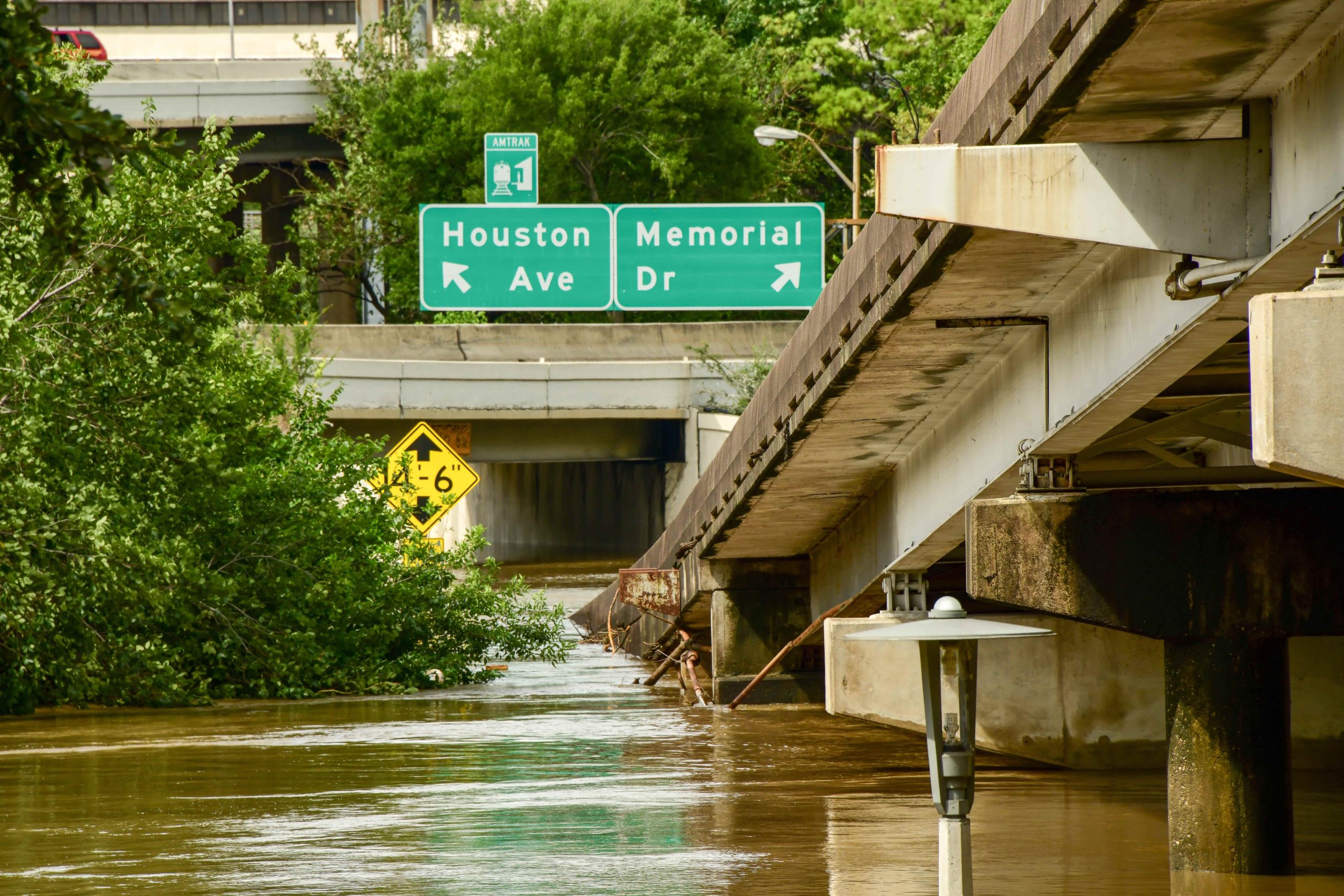
Living in Texas means dealing with a bit of everything when it comes to the weather. While we usually think about the heat or the occasional freeze, water is actually one of the most consistent risks to Texas homes. From heavy spring rains in the Hill Country to seasonal storms along the coast, flooding happens more often and in more places than most homeowners realize.
Understanding how flood insurance works is key to protecting your home. It’s not just for people living right on the water; it’s a practical safety net for anyone who owns property in Texas. In this guide, we’ll look at why this coverage is necessary, what it actually handles, and how to find the right policy for your family.
Why Flood Insurance Matters for Texas Homeowners
Many homeowners assume that if they don’t live right on the coast, they aren’t at risk. However, Texas’s geography and rapid urban development make flooding a statewide concern.
Flood Risks Across Texas
Texas leads the nation in many categories, and unfortunately, flash flooding is one of them. “Flash Flood Alley,” which stretches through Central Texas, is one of the most flood-prone areas in North America due to its rocky terrain and intense rainfall patterns. Meanwhile, coastal regions face the recurring threat of storm surges, and urban areas like Dallas and Houston experience “street flooding” due to overwhelmed drainage systems and increasing concrete surfaces.
Why Standard Homeowners Insurance Doesn’t Cover Flood Damage
This is perhaps the most important realization for any homeowner: a standard homeowners’ insurance policy does not cover flood damage. While your policy likely covers “sudden and accidental” water damage, it specifically excludes damage caused by rising groundwater or surface water entering your home from outside. Without a dedicated flood policy, you are responsible for 100% of the repair costs after a storm.
The Financial Impact of Flooding on Homes
Just an inch of water in a standard-sized home can cause upwards of $25,000 in damage. Between replacing drywall, flooring, and electrical systems, the costs add up quickly. For many Texas families, an uninsured flood event can be a permanent financial setback.
Do Texas Homeowners Need Flood Insurance?
If you are wondering if you need coverage, the short answer is almost always “yes.”
High-Risk vs. Moderate-Risk Flood Zones
FEMA maps out flood zones across the country. If you live in a Special Flood Hazard Area (SFHA), you are considered to be in a high-risk zone. However, history has shown that water doesn’t follow a map. In fact, more than 25% of flood insurance claims come from policyholders living in low-to-moderate-risk areas.
Mortgage Requirements for Flood Insurance
If you have a federally backed mortgage (like an FHA or VA loan) and live in a high-risk flood zone, your lender will require you to carry flood insurance. However, even if your lender doesn’t require it, skipping coverage in a state like Texas is a significant gamble.
What Flood Insurance Covers for Texas Homes
Flood insurance is generally split into two main types of coverage: building coverage and contents coverage.
- Structural Coverage: This protects the physical “shell” of your home. It includes your foundation, electrical and plumbing systems, central air conditioning, water heaters, and built-in appliances like refrigerators and stoves.
- Personal Property Coverage: This covers the items inside your home, such as furniture, electronics, clothing, and portable appliances.
What Flood Insurance Typically Does Not Cover
It is important to manage expectations regarding what is left out. Most policies do not cover damage to landscaping, decks, fences, or swimming pools. Additionally, coverage for finished basements (though rare in Texas) is often very limited. Moisture or mold damage that “could have been avoided” by the homeowner may also be excluded.
Flood Insurance Options Available in Texas
Texas homeowners generally have two paths to obtaining coverage: the National Flood Insurance Program (NFIP) or the private market.
National Flood Insurance Program (NFIP)
Managed by FEMA, the NFIP is the most common provider. It is available to anyone living in a community that participates in the program. However, it has limits: building coverage is capped at $250,000, and contents coverage is capped at $100,000.
Private Flood Insurance Policies
Private insurers often offer more flexibility. Private policies can provide higher coverage limits than the NFIP and may include additional benefits, such as “loss of use” coverage, which helps pay for a hotel if your home is uninhabitable after a flood.
How Much Flood Insurance Costs for Texas Homeowners
The cost of flood insurance is not “one size fits all.” Several factors influence your premium:
- Flood Zone: Homes in high-risk areas pay more.
- Elevation: The higher your home is off the ground, the lower your rate.
- Home Age and Construction: Newer homes built to modern flood standards often see lower premiums.
To lower your costs, consider choosing a higher deductible. Just ensure you have enough savings to cover that deductible if you ever need to file a claim.
How Texas Homeowners Can Reduce Flood Risk
Insurance is your financial safety net, but physical prevention is your first line of defense.
- Landscaping and Drainage: Ensure your yard slopes away from your foundation. Keep gutters and downspouts clear of debris so rainwater can flow freely away from the house.
- Elevation: If you are building or remodeling, consider elevating your HVAC units, water heaters, and electrical panels above the base flood elevation.
- Preparation: Before storm season peaks, clear nearby storm drains and have sandbags or flood barriers ready if you live in a historically vulnerable area.
How to Get Flood Insurance in Texas
Getting covered is a straightforward process, but timing is everything. Most flood insurance policies, especially those through the NFIP, have a 30-day waiting period before coverage takes effect. If you wait until a tropical storm is brewing in the Gulf, it will be too late to protect your home for that specific event.
The best way to navigate your options is to speak with a local Texas insurance agent who understands the specific risks of your neighborhood. An agent can compare NFIP and private options to ensure you have enough coverage for both your home’s structure and your personal belongings.
Get Flood Insurance for Your Texas Home With Pronto Insurance
At Pronto Insurance, we know that Texas weather is unpredictable, but your financial security shouldn’t be. Protecting your home from the devastating effects of rising water is one of the most responsible steps you can take as a homeowner.
Whether you’re in a high-risk coastal zone or a quiet suburban neighborhood, we’re here to help you find a policy that fits your needs and your budget. Don’t wait for the next big storm to realize the value of peace of mind. Reach out to us today to secure your home’s future.