

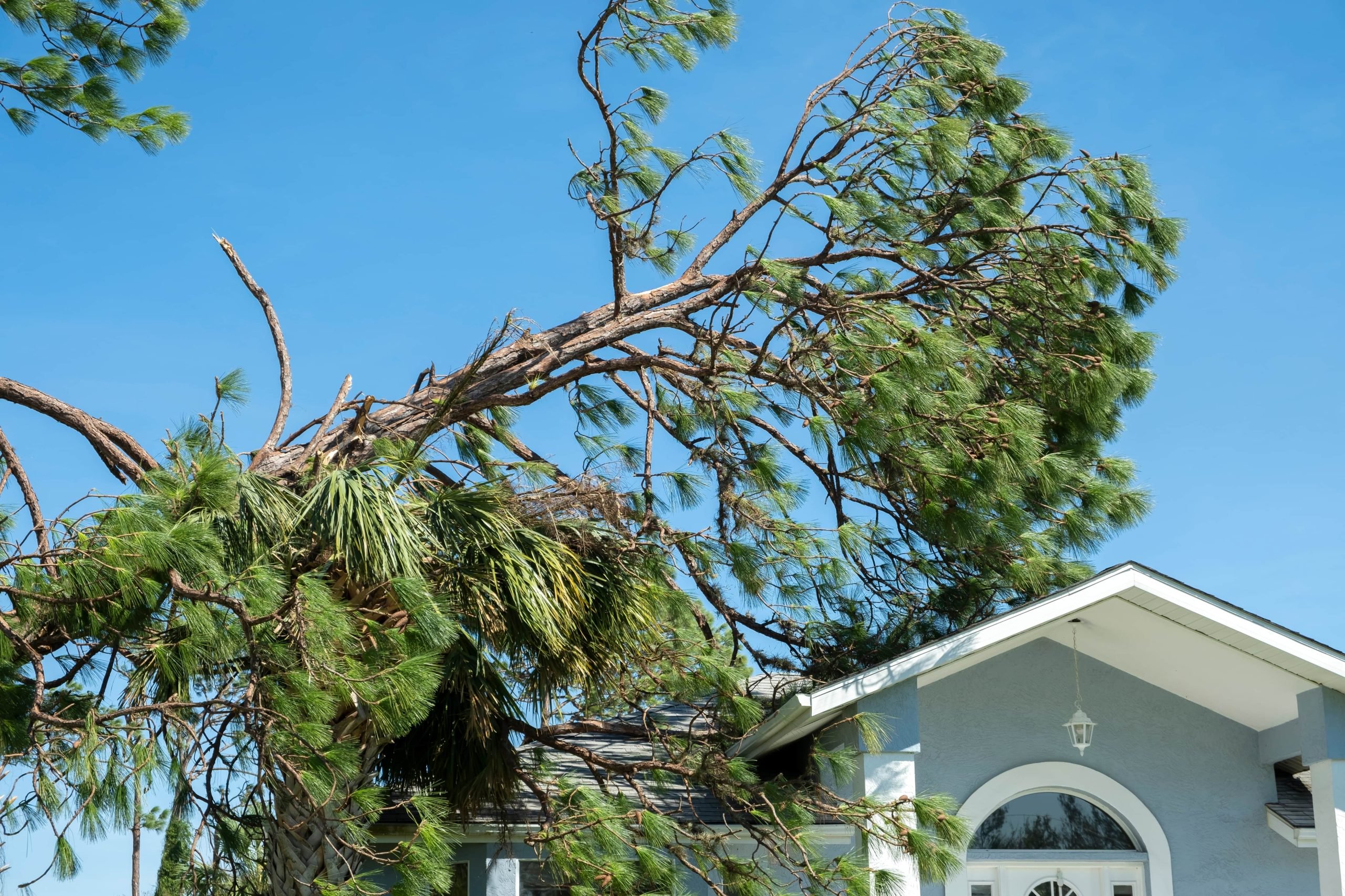
Windstorms are a regular part of life in Chicago. From intense spring thunderstorms to powerful winter gusts sweeping off Lake Michigan, strong winds can cause serious property damage in a matter of minutes. For homeowners, understanding how windstorm coverage works is essential to protecting both their home and their financial security.
Many homeowners assume wind damage is automatically covered, but policy details, exclusions, and deductibles can make a significant difference when it comes time to file a claim.
Does Home Insurance Cover Windstorm Damage in Chicago?
A standard homeowners’ insurance policy in Illinois typically includes wind damage as a covered peril. However, coverage depends on the specific terms of your policy.
Most policies cover sudden and accidental wind-related damage to the structure of your home and, in many cases, your belongings. If strong winds tear shingles from your roof or knock down a fence, your policy may help pay for repairs, minus your deductible.
What Is Considered a Windstorm?
A windstorm generally refers to damaging winds caused by:
- Severe thunderstorms
- Tornadoes
- Straight-line winds
- Derechos
- Winter storms
The definition in your policy may vary slightly, but it typically includes high winds capable of causing structural damage.
Are Tornadoes and Severe Storms Covered?
Tornado damage is generally covered under standard homeowners’ insurance in Illinois. Unlike some coastal states that exclude hurricane damage, Chicago-area policies usually cover tornadoes and severe storm winds without requiring a separate windstorm policy.
What Does Windstorm Coverage Typically Include?
Windstorm coverage can apply to several areas of your property, depending on the type and extent of damage.
-
Roof Damage from High Winds
High winds frequently damage roofing materials by lifting shingles, exposing underlayment, or even removing entire sections of roofing. If the damage is sudden and caused by a covered wind event, insurance typically helps pay for repair or replacement.
However, insurers may evaluate roof age and condition during the claims process.
-
Structural Damage to Your Home
If strong winds damage siding, windows, chimneys, or structural framing, those repairs are usually covered. Fallen trees caused by wind may also be included if they damage the insured structure.
-
Detached Garages and Other Structures
Most policies include coverage for detached structures such as garages, sheds, and fences, typically as a percentage of your dwelling coverage limit.
-
Personal Property Damage
Windstorms can break windows or create openings that allow rain and debris inside. If personal belongings are damaged by a covered wind event, your policy may help replace them.
-
Additional Living Expenses After a Covered Loss
If wind damage makes your home temporarily uninhabitable, your policy may provide additional living expenses (ALE) coverage. This can help cover hotel stays, meals, and other necessary costs while repairs are completed.
What Is Not Covered by Windstorm Insurance?
While wind damage itself is usually covered, certain related losses may not be.
-
Flood Damage from Rising Water
If wind-driven storms cause flooding from rising water, that damage is not covered under standard homeowners’ insurance. Flood insurance is a separate policy.
-
Sewer Backup
Water backing up through drains or sewers is typically excluded unless you purchase a specific endorsement.
-
Maintenance-Related Roof Problems
Insurance covers sudden damage, not wear and tear. If your roof was already deteriorating and high winds expose an existing issue, the claim may be reduced or denied.
-
Cosmetic vs. Functional Damage
Some policies differentiate between cosmetic damage (such as minor dents or aesthetic changes) and functional damage that impacts the integrity of the home. Cosmetic damage may not always qualify for full replacement coverage.
Do Chicago Homeowners Need Separate Windstorm Insurance?
In Illinois, most homeowners do not need a separate windstorm policy. Unlike hurricane-prone coastal states, wind coverage is generally included in standard policies.
States along the Gulf and Atlantic coasts often exclude hurricane wind damage or apply special policy requirements. Illinois insurers typically include wind coverage without requiring a separate policy.
Some policies include a higher deductible specifically for wind or storm damage. This means you may pay more out of pocket before coverage applies. Homeowners can sometimes add endorsements for enhanced coverage, such as sewer backup protection or upgrades to replacement cost for roofing materials.
How Windstorm Deductibles Work in Chicago
A flat deductible is a fixed dollar amount (for example, $1,000). A percentage deductible is based on a percentage of your dwelling coverage. For higher-value homes, percentage deductibles can result in significantly higher out-of-pocket costs.
When Higher Deductibles Apply
Some policies apply a higher deductible specifically for wind or hail claims. Always review your declarations page to understand how your policy handles storm-related losses.
How Deductibles Affect Claims
If repair costs fall below your deductible, you’ll be responsible for the entire expense. Choosing a higher deductible can lower your premium, but it increases financial responsibility after a storm.
Windstorm Risks in Chicago and the Midwest
Chicago homeowners face a range of wind-related threats year-round.
-
Severe Thunderstorms
Spring and summer storms can produce powerful wind gusts that can tear roofing materials and damage siding.
-
Tornado Activity in Illinois
Illinois consistently ranks among the states with the most tornadoes. Even if a tornado doesn’t directly strike your home, nearby wind fields can cause significant damage.
-
Straight-Line Winds and Derechos
Not all destructive winds involve tornadoes. Straight-line winds and derechos can cause widespread damage similar to that from hurricane-force winds.
-
Winter Storm Wind Damage
Winter storms bring heavy snow combined with strong winds. This can strain roofs, cause ice damming, and lead to structural stress.
How to Make Sure Your Chicago Home Is Properly Protected
Preparation and policy review are key. Ensure your dwelling coverage reflects the current cost to rebuild your home, not just its market value. Construction costs can change over time.
Because roof condition plays a major role in claims decisions, regular maintenance and inspections are essential. Replacement cost coverage pays to rebuild or repair using current material costs without subtracting depreciation. This can be especially valuable after major storm damage.
Working with experienced local insurance professionals can help you evaluate coverage limits, deductibles, and endorsements that fit Chicago’s risk profile.
Chicago’s unpredictable weather makes windstorm protection a critical part of homeowners’ insurance. By understanding what is covered, what isn’t, and how deductibles apply, you can make informed decisions before the next major storm arrives. A careful review of your policy with Pronto Insurance today can help prevent costly surprises tomorrow.
Frequently Asked Questions About Windstorm Insurance in Chicago
Is wind damage automatically covered in Illinois?
In most standard homeowners policies, yes. However, coverage limits and deductibles may vary by insurer.
Does homeowners’ insurance cover tornado damage?
Tornado damage is typically covered as windstorm damage under standard Illinois policies.
Is hail damage covered under windstorm coverage?
Hail damage is often covered under the same portion of the policy that covers wind, though deductibles may differ.
Can wind claims raise my insurance rates?
Filing multiple claims can affect premiums. However, severe weather events that affect entire regions may be treated differently from isolated losses.