

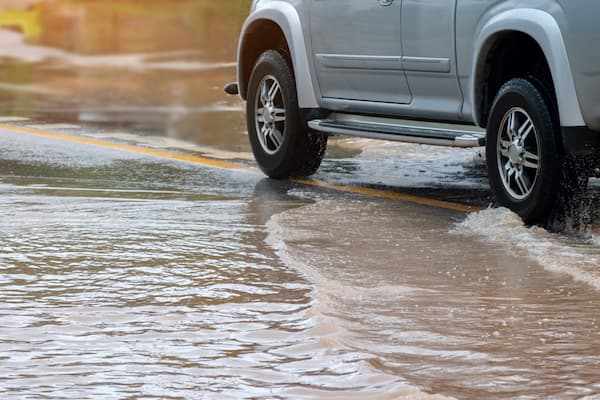
Texas is statistically one of the most challenging states for property insurance. Because of our size and geographic location, we experience more severe weather events than almost any other region in the U.S. For a homeowner, this means that filing a weather-related insurance claim isn’t just a possibility. For many, it’s an eventual reality.
Navigating the claims process effectively requires a solid understanding of your policy’s fine print and a proactive approach to documentation. We’ll break down the common weather risks in Texas, how coverage typically functions, and the steps you should take to ensure a fair settlement.
Why Weather Insurance Claims Are Common in Texas
The sheer variety of weather patterns in Texas creates a constant cycle of property risk. Unlike states that face only one primary threat, Texas homeowners must account for several distinct meteorological events.
Severe Storms and Hail Damage
Texas leads the nation in hail damage claims nearly every year. These storms often develop rapidly, producing large hail that can compromise a roof’s structural integrity in a matter of minutes. In many cases, the damage isn’t visible from the ground, leading to long-term leaks if not addressed immediately after the storm.
Hurricanes and Coastal Flooding
The Texas Gulf Coast faces a significant seasonal threat from tropical systems. These events are complex because they involve multiple types of damage: high-velocity wind, falling debris, and rising water. Distinguishing between wind damage and flood damage is one of the most critical aspects of a coastal insurance claim.
Tornadoes and High-Wind Events
While tornadoes grab the headlines, “straight-line winds” from thunderstorms cause significant annual damage. These winds can reach speeds equivalent to a weak tornado, tearing off siding, damaging fences, and causing trees to fall on structures.
Types of Weather Damage Typically Covered by Home Insurance
Most standard Texas homeowners’ policies are designed to cover “perils” that are sudden and accidental. Generally, you can expect coverage for the following:
- Roof and Siding Damage: If hail or wind dents your siding or knocks granules off your shingles, the policy usually covers repairs or replacement.
- Broken Windows: Damage to glass caused by flying debris or hail is a standard covered loss.
- Interior Water Damage: If a storm creates an opening in your roof or breaks a window, and then rain damages your interior, the resulting water damage is typically covered.
- Fire and Lightning: Lightning strikes that cause electrical surges or house fires are standard inclusions in almost every Texas policy.
Weather Damage That May Require Separate Coverage
One of the biggest risks for Texas homeowners is the “coverage gap.” Certain types of weather damage are explicitly excluded from standard policies and require endorsements or separate standalone products.
Flood Damage vs. Surface Water
Standard home insurance does not cover flooding. In insurance terms, a “flood” is generally defined as an excess of water on land that is normally dry, affecting two or more acres or two or more properties. Whether the water comes from a nearby creek or simply pools in your yard due to heavy rain, you need a separate flood insurance policy to be protected.
Wind and Hail Exclusions in Coastal Zones
In specific “Tier 1” counties along the Texas coast, some insurers exclude wind and hail coverage entirely. Homeowners in these areas often have to secure a separate windstorm policy to ensure they aren’t left vulnerable during hurricane season.
How to File a Texas Weather Insurance Claim
The success of a claim often depends on what the homeowner does in the first 48 hours following a storm.
Documenting and Inspecting Damage
Before you clean up or move debris, you must document the scene. High-resolution photos from multiple angles are essential.
- Exterior: Take photos of the roof, gutters, fencing, and any downed trees.
- Interior: If water entered the home, photograph the ceiling, walls, and any damaged personal property before moving it.
- Receipts: Keep a log of any emergency repairs you pay for out of pocket (like a tarp for the roof).
The Inspection Process
Your insurance company will send an adjuster to estimate the damage. It is often a good idea to have a trusted local contractor present during the adjuster’s visit. A contractor can point out specific “bruising” on shingles or structural issues that an adjuster might miss during a quick walkthrough.
Tips for a Smooth Weather Insurance Claims Process
To avoid delays or denials, follow these practical steps:
- Report the Claim Promptly: Most policies have a time window for reporting. The sooner you report, the sooner you are in the queue for an adjuster.
- Mitigate Further Damage: You are contractually obligated to prevent further loss. This means tarping a hole in the roof or boarding up a broken window.
- Use Local Contractors: Be wary of “door-to-door” contractors who appear immediately after a storm. Stick with established Texas companies that provide written estimates and have a physical office.
Common Mistakes Homeowners Make When Filing Weather Claims
Mistakes during the filing process can lead to lower payouts or outright denials. Here are the most common errors we see:
- Cleaning Up Too Soon: If you haul away damaged items or repair the roof before the adjuster arrives, they may not be able to verify the loss.
- Missing Hidden Damage: Not all hail damage is obvious. Sometimes it takes months for a leak to manifest. Getting a professional inspection, even if things “look fine,” is a smart move.
- Not Understanding Deductibles: In Texas, many policies have a separate, higher deductible for wind and hail (often a percentage of the home’s value, such as 1% or 2%). Knowing your out-of-pocket cost beforehand helps you decide if a claim is worth filing.
Get Help With Texas Weather Insurance Claims From Pronto Insurance
Managing a home insurance claim can feel like a full-time job, especially when you’re already dealing with the stress of a damaged property. Having a local agent who understands the nuances of the Texas insurance market can make a world of difference.
At Pronto Insurance, we focus on providing clear, honest communication to help our clients navigate the complexities of weather claims. Whether you’re looking to update your current coverage or you need professional advice on how to handle a recent storm loss, we are here to support you.
For personalized assistance and expert coverage reviews, you can reach out to a local Pronto Insurance expert to ensure your home is properly protected before the next storm system arrives!