
Wildfires have become an increasing concern for homeowners across California, especially in high-risk areas. As fire seasons grow longer and more intense, understanding your insurance options is essential for protecting your home, finances, and peace of mind. Securing wildfire insurance high-risk California coverage is no longer optional for many homeowners—it is a critical part of responsible property ownership in fire-prone regions.
Why Wildfire Insurance Is Critical in High-Risk California Areas
Increasing Wildfire Activity Across the State
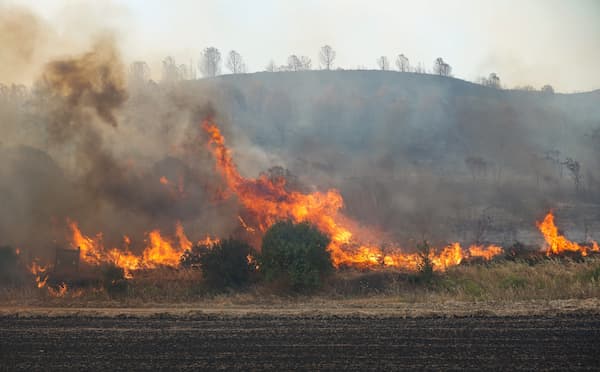
California has experienced a dramatic rise in wildfire frequency and severity over the past decade, with longer fire seasons driven by drought, extreme heat, and strong winds. Regions once considered moderately safe are now facing elevated wildfire threats, making insurance coverage more important than ever.
Wildfires can spread rapidly and unpredictably, leaving homeowners with little time to react. As a result, having proper coverage in place before disaster strikes is essential for minimizing financial loss and ensuring recovery.
The Financial Impact of Wildfire Damage
Wildfires can cause devastating financial consequences that go far beyond the visible damage to a home. Costs can include rebuilding structures, replacing belongings, and covering temporary living expenses.
Key financial risks include:
- Complete structural loss requiring full reconstruction
- Damage to personal belongings, furniture, and valuables
- Temporary housing and relocation expenses
- Cleanup and debris removal costs
Without adequate insurance, these expenses can quickly become overwhelming, making wildfire insurance high risk california protection a vital safeguard.
Why Standard Homeowners Insurance May Be Hard to Obtain
In many high-risk areas, insurance companies have begun limiting their exposure by tightening underwriting guidelines. This means homeowners may face:
- Denied applications for new policies
- Non-renewal of existing coverage
- Reduced policy options in fire-prone zones
As a result, securing reliable coverage often requires exploring specialized insurance solutions designed for high-risk properties.
What Insurance Covers Wildfire Damage in California
Coverage Through Standard Homeowners Insurance
In many cases, standard homeowners insurance policies do include protection against fire damage, including wildfires. However, eligibility for these policies in high-risk zones has become more restricted.
When available, these policies typically provide comprehensive protection against fire-related losses, though coverage limits and conditions can vary significantly depending on the insurer.
Dwelling, Personal Property, and Loss of Use Coverage
A well-structured policy generally includes multiple layers of protection:
- Dwelling coverage: Pays for repairing or rebuilding your home
- Personal property coverage: Covers belongings such as furniture, electronics, and clothing
- Loss of use coverage: Helps pay for temporary housing and living expenses if your home becomes uninhabitable
These components work together to provide financial stability during recovery after a wildfire event.
Additional Coverage for Smoke and Fire Damage
Wildfire damage is not limited to flames alone. Smoke, soot, and heat can cause significant damage even if the structure remains intact.
Additional protections may include:
- Smoke damage cleanup and restoration
- HVAC system cleaning or replacement
- Structural repairs from heat exposure
- Water damage from firefighting efforts
Understanding these details is essential when evaluating wildfire insurance high-risk California policies, as not all plans offer the same level of protection.
Challenges Homeowners Face in High-Risk Wildfire Zones
Insurance Companies Limiting Coverage in Fire-Prone Areas
Insurance providers are increasingly cautious about offering coverage in wildfire-prone regions. Many companies have reduced the number of policies they write in these areas to limit financial risk.
This shift has made it more difficult for homeowners to find affordable and comprehensive insurance options.
Policy Non-Renewals and Higher Premiums
Homeowners in high-risk areas may experience sudden policy non-renewals or significant premium increases. These changes can happen even if the homeowner has never filed a claim.
Common challenges include:
- Sharp increases in annual premiums
- Reduced coverage limits
- Stricter inspection requirements
- Mandatory risk mitigation improvements
These factors make it essential to regularly review and update your insurance strategy.
Understanding Wildfire Risk Assessments
Insurance companies use advanced risk modeling tools to evaluate wildfire exposure. These assessments consider:
- Proximity to vegetation and forests
- Local fire history and frequency
- Weather patterns and wind conditions
- Property-specific features such as roofing materials
Understanding how your property is evaluated can help you take proactive steps to improve insurability.
Insurance Options for High-Risk Properties in California
The California FAIR Plan
The California FAIR Plan is a state-backed program that provides basic property insurance to homeowners who cannot obtain coverage through traditional insurers.
While it offers essential fire protection, it is important to note:
- Coverage is often more limited than standard policies
- Additional policies may be needed for full protection
- Premiums can still be higher than average
Despite these limitations, it serves as a critical option for homeowners in high-risk areas.
Private Insurance Options for High-Risk Homes
Some private insurers still offer policies for high-risk properties, though these may come with higher premiums or stricter requirements.
These options may include:
- Surplus lines insurers
- Specialty high-risk insurance providers
- Customized policies with tailored coverage limits
Working with an experienced agent can help identify these opportunities.
Combining FAIR Plan With Supplemental Coverage
Many homeowners choose to combine a FAIR Plan policy with supplemental insurance to achieve broader protection.
This approach can provide:
- Extended liability coverage
- Protection for theft, water damage, and other risks
- More comprehensive financial security
For many, this combination is the most practical way to secure wildfire insurance high risk california coverage in challenging markets.
How Homeowners Can Reduce Wildfire Risk
Creating Defensible Space Around Your Home
Defensible space is one of the most effective ways to reduce wildfire risk. It involves clearing vegetation and creating buffer zones around your property.
Key actions include:
- Removing dry leaves and debris
- Trimming trees and shrubs
- Keeping grass short and well-maintained
- Creating separation between vegetation and structures
These steps can also improve your chances of qualifying for insurance.
Fire-Resistant Building Materials
Using fire-resistant materials can significantly reduce damage during a wildfire. Home improvements may include:
- Class A fire-rated roofing materials
- Non-combustible siding such as stucco or metal
- Dual-pane or tempered glass windows
- Fire-resistant decking and fencing
Insurance companies may offer better terms for homes with these upgrades.
Community Wildfire Preparedness Programs
Many communities participate in wildfire preparedness initiatives designed to reduce overall risk.
Examples include:
- Firewise USA® programs
- Local evacuation planning efforts
- Community vegetation management projects
Participation in these programs can enhance safety and may positively impact insurance eligibility.
Tips for Getting Wildfire Insurance in High-Risk California Areas
Comparing Coverage Options Carefully
Not all policies are created equal, especially in high-risk areas. It is important to compare multiple options and understand what each policy includes.
Look for:
- Coverage limits for dwelling and belongings
- Deductibles and out-of-pocket costs
- Specific wildfire-related protections
Reviewing Policy Limits and Exclusions
Carefully reviewing your policy details can help prevent unexpected gaps in coverage.
Pay close attention to:
- Coverage caps that may not match rebuilding costs
- Exclusions related to certain types of damage
- Conditions for claim approval
A thorough review ensures your policy truly meets your needs.
Working With an Experienced Insurance Agent
Navigating insurance options in high-risk areas can be complex. An experienced agent can help simplify the process and identify the best solutions for your situation.
Benefits of working with an agent include:
- Access to multiple insurance carriers
- Guidance on policy selection
- Assistance with applications and documentation
- Support during claims
This expertise can make a significant difference when securing wildfire insurance high risk california coverage.
Find Wildfire Insurance Options for High-Risk California Homes
Finding the right insurance in a high-risk wildfire zone may seem challenging, but options are available with the right approach and guidance. By understanding coverage types, exploring alternative programs like the FAIR Plan, and taking proactive steps to reduce risk, homeowners can protect their properties and financial future.
Pronto Insurance helps homeowners explore flexible coverage options tailored to their needs, making it easier to compare policies and find solutions in even the most challenging markets. Whether you are purchasing a new policy or replacing an existing one, working with knowledgeable professionals can help you secure the protection your home deserves.